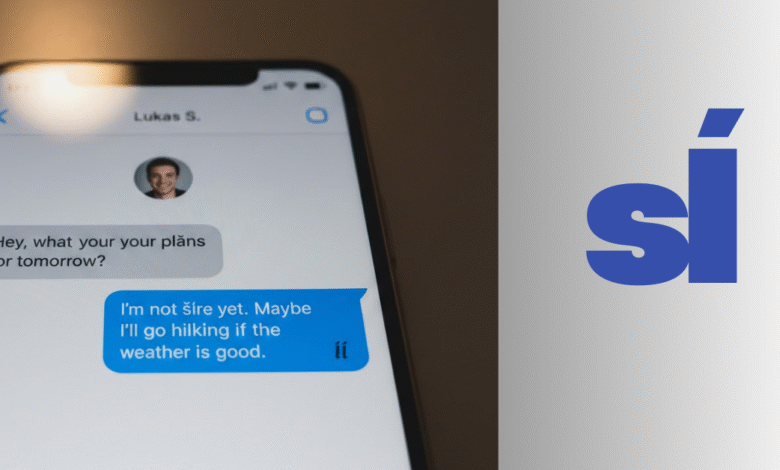
I still remember the first time I came across the term sĺ. I was scrolling through a late-night message thread with a friend, and suddenly she typed, “Just do it like this, sĺ you can save time.”
At first, I stared at my screen, wondering if it was a typo or some trendy abbreviation I’d somehow missed. But the more I saw it around the internet, the more curious I became. Eventually, I learned that sĺ—depending on the context—can be used as a shorthand, a stylistic expression, or even a cultural way of emphasizing a point. And ever since then, I’ve been noticing it everywhere.
Funny how one tiny term can sneak into your daily vocabulary, right?
In this post, I want to share my own experience with sĺ, why it stuck with me, and how it’s become more useful than I ever expected. So grab a cup of coffee and let’s chat like friends.
What Exactly Is Sĺ?
Before I truly understood sĺ, I treated it the same way I treat unknown emojis: I pretended I knew but secretly Googled it later.
At its core, sĺ is often used as:
-
A stylized version of “so”
-
A linguistic expression found in certain languages
-
A shorthand that adds personality and tone
-
A way to emphasize a transition or direction
Some people use it playfully, others use it because of autocorrect quirks, and a few use it intentionally to give their writing a unique flavor. Whatever the reason, sĺ has evolved into a digital-age expression that feels both simple and expressive.
Related keywords I’ll naturally use throughout this post: stylistic writing, online expressions, digital communication, modern slang, personal tone.
Why Sĺ Stuck With Me
The Charm of a Small but Meaningful Expression
When I first saw sĺ pop up in conversations, I honestly thought it was a typo. But after a while, I noticed how much personality it added. It gives the impression of a pause—almost like a soft nudge in a new direction. Instead of writing a flat, generic “so,” the accented version feels… intentional.
You know how some people use “okayyy” instead of “okay” just to express tone? That’s how sĺ feels.
My First Real Use of Sĺ
I finally used sĺ myself after texting a friend about rearranging my room. I typed:
“Move the desk near the window, sĺ the light hits better.”
She replied, “Ohhh fancy! Since when do you add accents?”
We both laughed, but that moment made me realize how even small stylistic choices can influence the tone of your writing. It felt a little quirky, a little fun, and somehow more me.
How Sĺ Enhances Your Writing Style
1. It Adds a Touch of Personality
Writing online can sometimes feel dry or emotionless, especially when you’re trying to keep things short. Using sĺ is one of those micro-choices that tells your reader, “Hey, I’m putting a little flavor into this.”
Whether you’re texting, tweeting, sending emails, or writing casually, sĺ adds a micro-pause and a hint of style.
2. It Makes Transitions Feel Smoother
Have you ever written something and felt like your transitions were too stiff?
I definitely have.
Using sĺ can soften the jump from one thought to another. Instead of a harsh shift, the accent adds a subtle curve—like switching from straight lines to soft waves.
3. It Reflects Modern Digital Communication
Language evolves. And the internet has accelerated those changes faster than ever before.
Expressions like:
-
lmk
-
rn
-
idk
-
smh
-
and now, sĺ
…remind us that communication is becoming more personal and more expressive. Even tiny accents can become a trend or leave a lasting mark.
Different Ways I’ve Seen Sĺ Used Online
Casual Chatting
People slip sĺ into sentences without thinking twice:
-
“I’ll send it now, sĺ you’re not waiting.”
-
“Just click here, sĺ it loads properly.”
Creative Writing and Journaling
Some creators use sĺ intentionally to break monotony or create rhythm.
Branding and Aesthetics
A few minimalist brands even use accented letters to stand out visually. I once saw a Scandinavian-inspired store name that used “Sĺ” simply because it looked clean and modern.
My Personal Tips for Using Sĺ Naturally
Tip #1: Use It to Add Tone, Not Confusion
From experience, I suggest using sĺ only when it adds clarity or style—not when it makes the reader stop and re-read the sentence.
If you’re writing something formal, maybe skip it.
But in personal messages, storytelling, or social media? Go for it.
Tip #2: Don’t Overdo It (Trust Me, I Tried)
There was a week when I used sĺ in almost every transition because I was experimenting with tone. Let’s just say it looked like my keyboard was stuck on accents.
Moderation is key. Think of it as seasoning—enough to flavor your writing, but not enough to overpower it.
How Sĺ Fits Into Modern Online Identity
We all have tiny things we do online that feel like “us.” Some people always type in lowercase. Some add three exclamation marks. Some use “lol” even when they’re not laughing.
And some of us use sĺ.
These micro-choices build our digital identity. They shape how others perceive us in text-based communication. And in a world where we spend more time typing than talking, these details matter more than we realize.
When You Should Consider Using Sĺ
Here are a few moments when sĺ feels especially natural:
-
To introduce an explanation
“Sĺ here’s what happened…” -
To give instructions
“Click the right button, sĺ the app updates.” -
To soften a request
“Send it again, sĺ I can double-check.” -
To create emphasis
“It was late, sĺ very late.” -
To match a creative or aesthetic theme
Great for captions, aesthetic blogs, or artistic projects.
Why Sĺ Matters More Than You Think
Language isn’t just about rules or spelling. It’s about connection.
The reason sĺ matters isn’t because of the letter itself but because it reflects how we adapt and express ourselves online. It shows how even the smallest change can influence tone, intention, and style.
And honestly? I love that. It reminds me that language is alive. It breathes. It grows. And sometimes, it surprises us in the best ways.
Conclusion: Sĺ Is Small, but It Says a Lot
So yes—sĺ might look like a tiny, accented version of “so,” but it holds surprising charm. It adds personality, creates flow, and gives your writing a subtle spark. And for me, it’s become one of those little expressions that I reach for without thinking.
If you’ve never tried using sĺ, maybe give it a shot. See how it feels in your writing. Who knows—you might find that it fits your style perfectly.