Soldering Iron Kits & Accessories: What I’ve Learned the Hard Way (So You Don’t Have To)

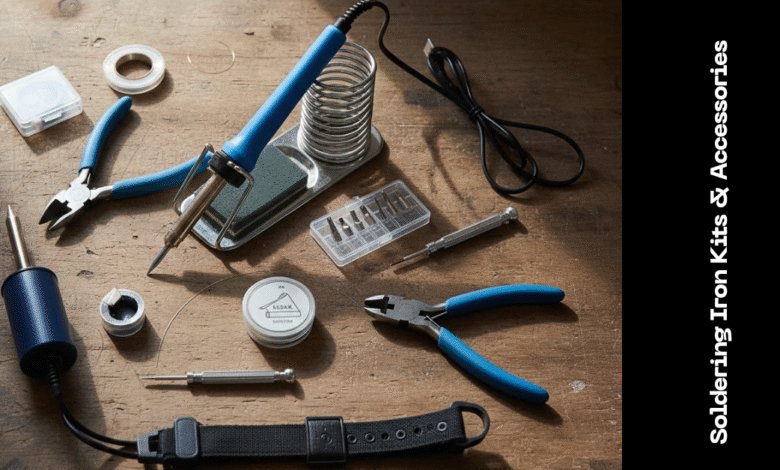
I still remember the first time I tried soldering. I was sitting at my desk late at night, attempting to fix a loose headphone wire because I was absolutely convinced I could do it myself. I had a cheap soldering iron, no stand, no proper tip, and zero patience. Long story short: I burned my finger, ruined the wire, and learned a valuable lesson — having the right soldering iron kits & accessories matters more than I ever imagined.
Since then, I’ve soldered everything from DIY electronics projects to small appliance repairs. Along the way, I’ve tested different kits, upgraded my accessories, and figured out what actually makes soldering enjoyable instead of frustrating.
If you’re just starting out — or even if you’ve been soldering for a while — this guide is for you.
Table of Contents
ToggleWhy Soldering Iron Kits & Accessories Matter More Than the Iron Alone
Most beginners focus only on the soldering iron itself. I did the same. But the truth is, the accessories are what make or break the experience.
A complete soldering iron kit gives you:
-
Better control
-
Cleaner joints
-
Safer working conditions
-
Faster learning curve
When everything you need is in one place, you spend less time improvising and more time actually building or repairing things.
What’s Usually Included in a Good Soldering Iron Kit?
Not all kits are created equal. Over the years, I’ve opened boxes that were thoughtfully packed — and others that felt like random items thrown together.
Here’s what a solid soldering iron kit usually includes:
The Soldering Iron
This is the heart of the kit. Look for:
-
Adjustable temperature control
-
Comfortable grip
-
Fast heat-up time
Temperature-controlled soldering irons are a game changer. Once I upgraded, my solder joints instantly became cleaner.
Interchangeable Tips
Different jobs need different tips:
-
Fine tips for delicate electronics
-
Chisel tips for thicker wires
-
Conical tips for general-purpose work
I keep at least three tips handy. Swapping tips instead of forcing one to do everything saves time and frustration.
Solder Wire
Most kits include lead-free solder wire, which is safer and more environmentally friendly. Some also include rosin-core solder, which flows nicely for beginners.
Cleaning Tools
A soldering iron is only as good as its tip condition. Look for:
-
Brass sponge
-
Cleaning sponge
-
Tip cleaner paste
Personal tip: I clean my tip before and after every session. It sounds obsessive, but it extends tip life dramatically.
Essential Soldering Accessories You Shouldn’t Skip
Even the best soldering iron kit can feel incomplete without a few key accessories.
Soldering Iron Stand
I once rested a hot iron on my desk “just for a second.” That second cost me a burnt tabletop.
A sturdy stand:
-
Prevents accidents
-
Protects your workspace
-
Keeps the iron accessible
Fume Extractor or Fan
Solder fumes are no joke. If you solder indoors (like I do), a simple fume extractor or small desk fan makes a huge difference.
Helping Hands Tool
This accessory changed everything for me.
Helping hands:
-
Hold wires steady
-
Keep components aligned
-
Free up both your hands
Once you use one, you’ll wonder how you ever soldered without it.
Heat-Resistant Mat
A silicone soldering mat protects your desk and organizes small parts. I use mine daily — it’s one of those accessories you don’t realize you need until you have it.
Choosing the Right Soldering Iron Kit for Your Needs
Not everyone needs the same setup. Here’s how I’d break it down.
For Beginners
If you’re new, look for:
-
Adjustable temperature soldering iron
-
Basic tip set
-
Solder wire and stand included
Avoid overly cheap kits. I learned that spending a little more upfront saves money later.
For Hobbyists & DIY Enthusiasts
You’ll want:
-
Multiple tips
-
Digital temperature display
-
Desoldering pump
-
Helping hands
These kits offer flexibility for different electronics projects.
For Electronics Repair
Precision matters here:
-
Stable temperature control
-
Fine-point tips
-
Quality solder and flux
This is where good accessories really shine.
My Personal Soldering Tips (Learned the Hard Way)
I promised real experience, so here it is.
Tip #1: Don’t Rush the Heat
When I started, I’d rush the joint. Now I let the iron heat the joint first, then feed solder. The result? Smooth, shiny connections.
Tip #2: Flux Is Your Best Friend
Many kits include flux, but beginners often ignore it. Don’t. Flux helps solder flow evenly and prevents oxidation.
I add a tiny bit even when using rosin-core solder — it makes everything cleaner.
Common Mistakes to Avoid with Soldering Iron Kits
I’ve made every mistake on this list:
-
Using the wrong tip for the job
-
Ignoring temperature settings
-
Not cleaning the tip regularly
-
Soldering in a poorly ventilated space
Avoiding these mistakes will instantly improve your results.
Related Keywords You’ll Hear a Lot in Soldering
As you explore soldering iron kits & accessories, you’ll often come across terms like:
-
Temperature-controlled soldering iron
-
Lead-free solder
-
Desoldering pump
-
Electronics repair tools
Understanding these makes shopping and learning much easier.
Final Thoughts on Soldering Iron Kits & Accessories
Looking back, I wish I had invested in a proper soldering iron kit from day one. It would’ve saved me time, money, and a few burns. The right tools don’t just make soldering easier — they make it enjoyable.
Whether you’re fixing a broken cable, building a DIY electronics project, or learning a new skill, good soldering iron kits & accessories set you up for success.
