
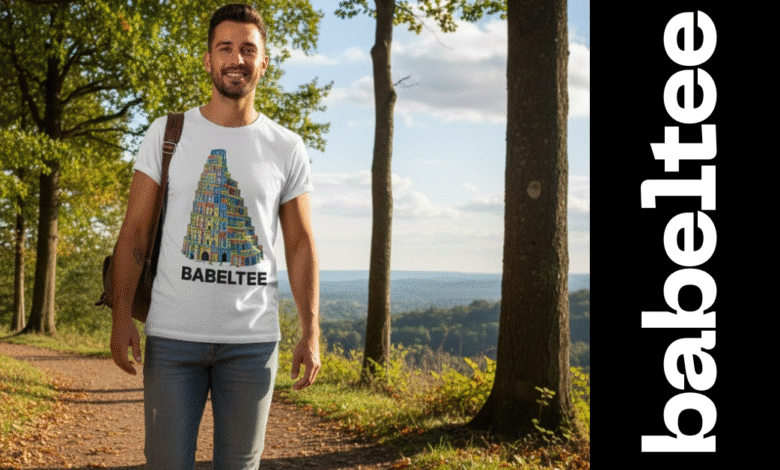
I still remember the exact moment I realized my wardrobe needed help. I was standing in front of my closet on a rushed morning, staring at a pile of T-shirts that either felt stiff, shrank weirdly after one wash, or had prints cracking like dry soil. You know that feeling when you just want one reliable tee you don’t have to think about?
That’s when I stumbled across Babeltee.
At first, I didn’t expect much. I’ve been burned by “cool-looking” T-shirt brands before. But after wearing my first Babeltee for an entire day—coffee run, laptop work, grocery shopping, and a casual dinner—I realized something felt different. And that’s what I want to talk about today.
This isn’t a sales pitch. It’s just my honest experience with Babeltee, from fit and fabric to style and everyday wear.
What Is Babeltee, Really?
If I had to explain Babeltee to a friend, I’d say this
Babeltee focuses on clean design, comfortable fabric, and everyday wearability. No loud logos screaming for attention. No weird cuts that only look good in photos.
It’s a modern casual T-shirt brand built for real people who want to look put together without trying too hard.
Related keywords you’ll hear me touch on:
-
premium T-shirts
-
minimalist fashion
-
everyday wear
-
graphic tees
-
streetwear basics
My First Impression After Unboxing
I’m picky about first impressions. Packaging matters, but fabric matters more.
When I pulled my Babeltee out of the package, the first thing I did—without thinking—was rub the fabric between my fingers. It felt soft but not flimsy.
What stood out immediately:
-
The stitching looked neat and strong
-
The fabric had weight, but still breathable
-
No weird chemical smell (huge win)
I’ve learned that cheap tees often feel “nice” at first and then fall apart after two washes. Babeltee didn’t give me that vibe.
Fit Matters More Than People Admit
Let’s talk about fit, because this is where most T-shirts fail.
I’m not into skin-tight shirts, but I also don’t want to look like I borrowed someone else’s clothes. Babeltee sits comfortably in that sweet spot.
How Babeltee fits on me:
-
Relaxed but structured
-
Shoulders line up naturally
-
Length works both tucked and untucked
Personal tip #1:
If you’re between sizes, size up for a relaxed streetwear look. I did that with one tee, and it became my go-to casual outfit piece.
Fabric Quality You Can Actually Feel
Some brands throw around words like “premium cotton” without backing it up. Babeltee’s fabric actually earns that label.
After multiple wears and washes:
-
No twisting at the seams
-
No shrinking nightmares
-
No fading that makes the tee look old
I’ve worn my Babeltee tees during warmer days, and they breathe surprisingly well. That’s rare for thicker cotton blends.
Personal tip #2:
Wash Babeltee tees inside out and air dry when possible. It keeps the fabric looking fresh longer. I’ve been doing this, and mine still look new.
Style Without Trying Too Hard
One thing I appreciate about Babeltee is how easy it is to style.
I’ve worn the same tee:
-
With jeans and sneakers
-
Under a jacket for a casual dinner
-
With joggers while traveling
It adapts to the situation, which is honestly what I want from everyday clothing.
Babeltee design philosophy (from what I can tell):
-
Minimal graphics
-
Neutral color palettes
-
Timeless over trendy
If you’re into minimalist fashion or building a capsule wardrobe, Babeltee fits right in.
Graphic Tees That Don’t Feel Loud
I usually avoid graphic tees because they often feel overdone. Babeltee surprised me here.
The designs feel intentional. They don’t scream. They whisper.
That makes them easier to wear without feeling like you’re trying to make a statement every time you step outside.
Comfort During Long Days
I’ve had days where I wore a Babeltee for 10+ hours straight. Sitting, walking, working, living.
No itching.
No stiffness.
No urge to change the moment I get home.
That’s when a T-shirt earns its place in my rotation.
Is Babeltee Worth the Price?
Let’s be honest—Babeltee isn’t bargain-bin cheap.
But here’s how I think about it:
-
One Babeltee I wear constantly
-
Three cheap tees I barely touch
Cost per wear matters more than the price tag.
When you factor in durability, comfort, and versatility, Babeltee feels like a smart buy rather than an impulse purchase.
Who I Think Babeltee Is Perfect For
From my experience, Babeltee works best for:
-
People who value comfort over hype
-
Anyone building a clean, everyday wardrobe
-
Fans of streetwear basics and minimalist style
-
Those tired of fast-fashion quality issues
If you like clothing that quietly does its job well, Babeltee fits that mindset.
A Few Small Things to Keep in Mind
No brand is perfect, and honesty matters.
Here’s what to consider:
-
Some styles sell out quickly
-
Color options may feel limited if you love bold tones
-
Sizing charts matter—check them carefully
None of these were dealbreakers for me, but they’re worth knowing.
Why Babeltee Earned a Permanent Spot in My Closet
I don’t rotate clothes lightly. If something stays, it’s because it earned it.
Babeltee did.
It’s the kind of shirt I grab without thinking, and somehow always feel comfortable and confident wearing. And in my experience, that’s rare.
I didn’t expect to like it this much. But here we are.
Final Thoughts on Babeltee
If you’re tired of T-shirts that look good once and disappoint later, Babeltee is worth checking out. It’s simple, reliable, and genuinely comfortable.
No gimmicks. No overpromises. Just solid everyday tees that feel good to wear.
